Post Mitigation Radon Test Cost and Timing
Learn when to test after radon mitigation, what it costs, and how to interpret post-mitigation results using EPA action levels.
A post mitigation radon test typically costs $15 to $250 and should be performed 24 hours to 30 days after system activation, with retesting every two years.
- Typical test cost
- $15–$250
- Recommended timing
- 24 hours–30 days after activation
- EPA action level
- 4 pCi/L
- Mitigation target
- Below 2 pCi/L
- Retest interval
- Every 2 years
Some links on this page are affiliate links.If you buy through them we may earn a commission at no extra cost to you. We do not accept payment for rankings. Read the full disclosure.
A post mitigation radon test verifies that your radon reduction system is working as intended. You should test after the system has been activated and before you assume the problem is solved. Costs range from $15 for a do-it-yourself kit to $250 for a professional measurement.
When to Test After Mitigation
Timing matters for an accurate post mitigation radon test. The EPA recommends testing no sooner than 24 hours after the mitigation system is turned on and no later than 30 days after installation. Testing too early can produce a misleadingly low reading because the fan needs time to draw soil gas out from beneath the foundation and establish negative pressure under the slab.
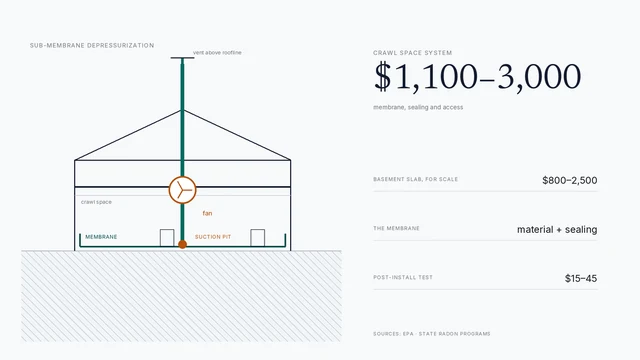
If your system uses a sub-slab depressurization setup, allow the fan to run continuously for at least a full day before placing the test device. For homes with crawl space mitigation, such as sub-membrane systems, the same 24-hour minimum applies after the membrane is sealed and the fan is operating.
Weather can also influence short-term results. Avoid testing during severe storms or high winds if possible, since rapid barometric pressure changes can temporarily affect radon entry and exhaust dynamics.
Test Types and Timing Windows
You have two main options for verifying mitigation: a short-term test or a long-term test.
Short-term kits are the most common choice for post mitigation verification. They typically expose for two to seven days and cost $15 to $45. Because they are fast, they let you confirm system performance quickly. However, short-term tests can be affected by day-to-day ventilation and weather changes.
Long-term kits remain in place for 90 days to one year and cost $20 to $50. These provide a better estimate of your average radon exposure across seasons, but they delay confirmation that the mitigation system is working. Many homeowners start with a short-term test after mitigation and follow up with a long-term test during the next heating season.
Continuous radon monitors, priced at $100 to $200 for consumer models, offer real-time readings and can be useful for spot-checking a system after installation. They are not a substitute for a validated measurement if you need documentation for a real estate transaction or your own records.
Cost of a Post Mitigation Radon Test
The price depends on whether you test yourself or hire a professional.
DIY short-term kit: $15 to $45
DIY long-term kit: $20 to $50
Professional short-term test: $150 to $250
Consumer continuous monitor: $100 to $200
If you already paid $800 to $2,500 for a typical active soil depressurization system, adding a $150 to $250 professional post mitigation radon test is a small verification step relative to the installation cost. For context, a fan replacement later costs $150 to $450, and fans typically last 5 to 15 years.
Here is how the annual electricity cost for a mitigation fan breaks down. A typical fan uses about 80 watts. Running continuously for a year consumes roughly 701 kilowatt-hours. At the U.S. residential average of 18.16 cents per kilowatt-hour, that equals about $127 per year in operating costs. Most systems fall in the $50 to $200 annual range depending on local electricity rates and fan size.
Permit costs for mitigation work range from $0 to $150 depending on your jurisdiction, but permits are not required for the post mitigation test itself.
What the Results Mean
EPA guidance sets the action level at 4 picocuries per liter (pCi/L). If your post mitigation radon test comes in below 4 pCi/L, the system is considered effective at reducing radon below the EPA action level. The mitigation target, however, is below 2 pCi/L whenever possible. Results between 2 and 4 pCi/L fall into the range where the EPA suggests considering further reduction, especially if you spend significant time in the lowest lived-in level of the home.
For reference, the average indoor radon level is estimated at 1.3 pCi/L, while outdoor air averages about 0.4 pCi/L. The World Health Organization reference level is 2.7 pCi/L. About one in 15 U.S. homes is estimated to have radon at or above the EPA action level.
If your post mitigation test reads 4 pCi/L or higher, do not panic. First, confirm the test was placed correctly and that the fan ran continuously during the test period. Check that the system indicator or manometer shows the fan is operating. You may need to contact your mitigator to inspect suction points, seal additional cracks, or adjust fan speed. A follow-up test can confirm whether adjustments resolved the issue.
Who Should Perform the Test
You can perform a post mitigation radon test yourself with a mail-in kit, or you can hire a measurement professional. DIY kits are inexpensive and straightforward, but proper placement matters. The device should go in the lowest occupied level of the home, away from drafts, windows, exterior walls, and high-humidity areas such as bathrooms or kitchens.
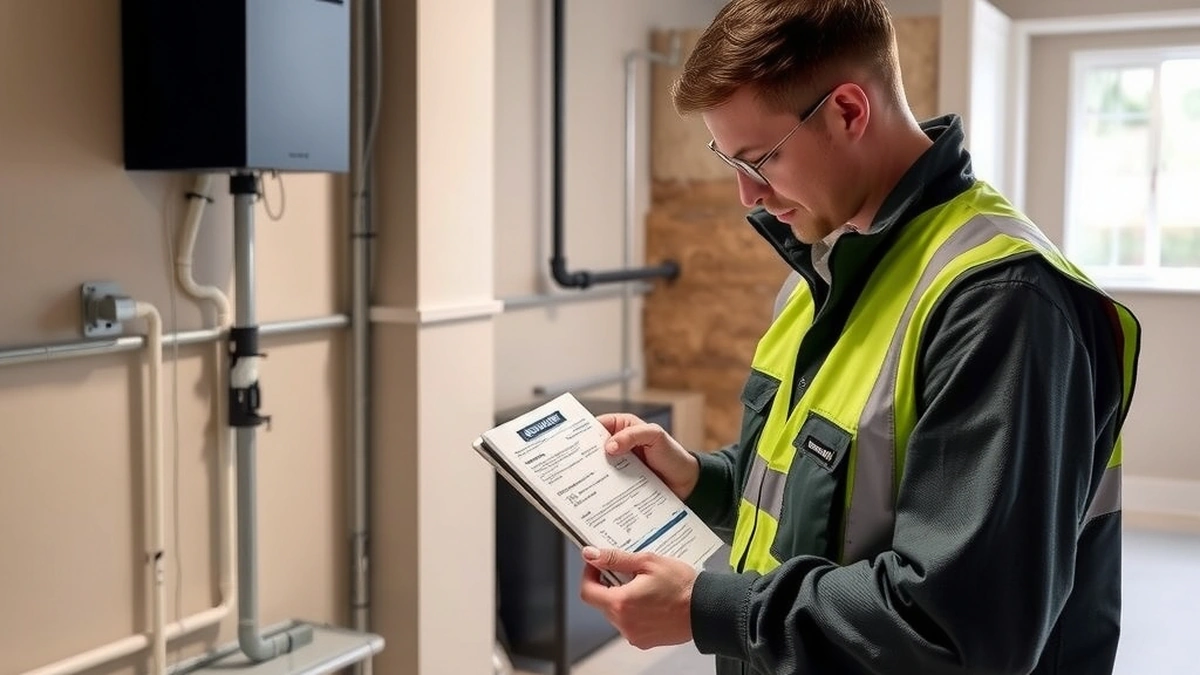
If you hire a professional, look for someone certified by the National Radon Proficiency Program (NRPP) or licensed by your state, where applicable. Professional testing costs more, typically $150 to $250, but it may include tamper-proof devices, chain-of-custody documentation, and a written report. This can be useful if you plan to sell the home or want third-party confirmation that the mitigation system performed.
Ongoing Retesting and Maintenance
A mitigation system is not a set-it-and-forget-it appliance. The EPA recommends retesting every two years to confirm radon remains below the action level. You should also retest after major renovations, changes to your HVAC system, or any work that alters the building envelope or foundation.
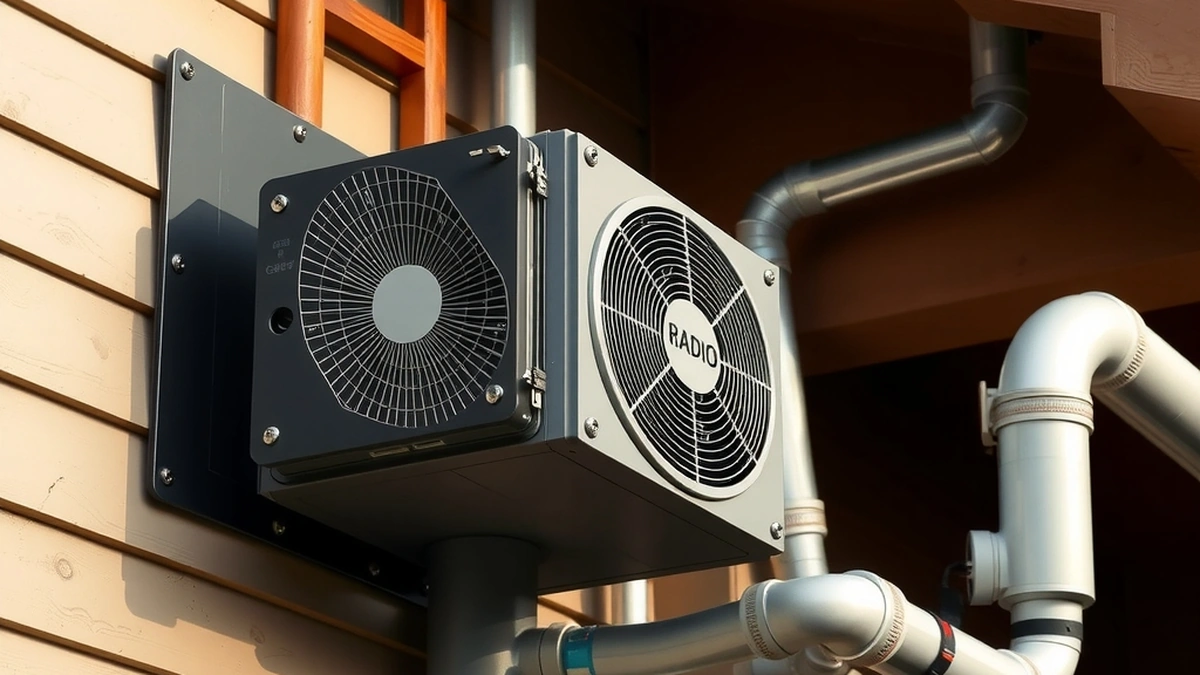
The radon fan is the component most likely to need attention. Fans typically last 5 to 15 years and cost $150 to $450 to replace. If the fan stops, radon levels can rise again even if the piping and suction points remain intact. Many systems include a warning device, such as a manometer or alarm, that indicates loss of suction. Check it regularly.
If you installed a passive system during new construction and later activated it with a fan, activation typically costs $300 to $900. After activation, the same post mitigation testing timeline applies: wait at least 24 hours, then test within 30 days.
Radon levels can change over time due to soil settling, new cracks in the foundation, or changes in ventilation habits. A simple retest every two years costs far less than discovering a problem years later. Pair that schedule with periodic fan checks and you will have a clear, low-cost plan for keeping your mitigation system effective.
For more on how mitigation systems work, see our guide to radon system installation. If you are comparing foundation-specific approaches, our breakdown of radon mitigation cost by foundation type explains price differences across slabs, basements, and crawl spaces. When the time comes to replace a fan, our radon fan replacement cost page covers typical pricing and lifespan expectations.
Next, compare testing for radon, how to eliminate radon, how to reduce radon in your home before you commit.
Frequently asked questions
When should I test after radon mitigation?
Test no sooner than 24 hours after the mitigation system is activated and no later than 30 days after installation to confirm the system is working.
How much does a post mitigation radon test cost?
DIY kits cost $15–$50, while professional testing typically runs $150–$250 depending on location and test type.
What is a passing post mitigation radon test result?
Results below the EPA action level of 4 pCi/L are acceptable, though the mitigation target is below 2 pCi/L whenever possible.
Can I use a short-term kit for post mitigation testing?
Yes. A short-term kit is commonly used for post mitigation verification, though long-term tests provide a better picture of average exposure.
How often should I retest after mitigation?
Retest every two years, or sooner if you renovate, replace the fan, or make major changes to your home’s foundation or HVAC system.
Who should perform a post mitigation radon test?
You can use a DIY kit or hire a professional; if you hire help, look for NRPP certification or state licensing where required.
Sources
Some links are affiliate links.If you buy through them we may earn a commission at no extra cost to you. We do not accept payment for rankings. Read the full disclosure.